

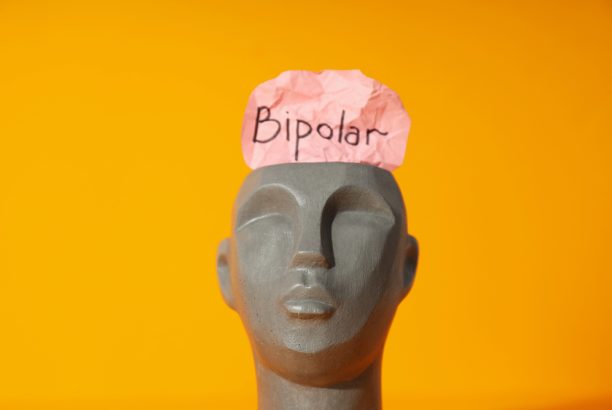
If you’ve been riding an exhausting wave of highs and lows for longer than you can remember, you’re not alone. Maybe there were stretches where you felt unstoppable, barely needing sleep, full of energy and ideas. Then came the crashes: days in bed, feeling hopeless, struggling to get through even simple tasks. If that cycle sounds familiar, and you’ve recently heard the words “bipolar disorder” for the first time, it can feel like both a relief and an overwhelm all at once.
Searching for “bipolar disorder treatment near me” is often the first step people take when they’re finally ready to get answers and real support. This guide covers what effective treatment looks like, what to expect when you reach out, and how to find a program that truly fits your life.
Bipolar disorder isn’t just about mood swings. For many people, it shows up as a pattern of life that feels wildly unpredictable, even when things on the outside look fine. One month, you might be sleeping four hours a night and feeling like you can conquer anything. Next, you can’t get out of bed, and everything feels pointless.
The experience varies by type. Bipolar I involves full manic episodes that can be intense and sometimes require immediate support. Bipolar II tends to involve hypomanic episodes, which are less extreme but still disruptive, alongside significant depressive periods. Cyclothymia is a milder but chronic pattern of mood shifts that can still seriously affect quality of life. No two people experience it the same way, which is part of why getting an accurate diagnosis matters so much.
One of the hardest parts of living with bipolar disorder before a diagnosis is the confusion. Many people spend years thinking they have depression, anxiety, or just a difficult personality. That’s not surprising. People often seek help during a depressive episode, which can look identical to major depression on the surface. Without a thorough psychiatric evaluation that explores mood history over time, it’s easy to miss the full picture.
Clinical literature widely recognizes that bipolar disorder is frequently misdiagnosed, often initially identified as major depressive disorder. This matters because treating depression with certain antidepressants alone, without mood stabilizers, can sometimes worsen bipolar symptoms. An accurate diagnosis from a qualified psychiatrist isn’t just a formality. It’s the foundation of a treatment plan that actually works.
If you’ve been through multiple treatments that didn’t help, or felt like something was always being missed, that experience is valid. Many people carry years of confusion, strained relationships, and failed attempts at getting better before they finally find the right support. That history doesn’t define your future care. It informs it.
There’s no single treatment that works for everyone with bipolar disorder. Effective care is built around the individual, taking into account their episode history, life circumstances, relationships, and goals. What works for one person may not work for another, and a good treatment team will take the time to understand your full picture before building a plan.
Most comprehensive treatment combines psychiatric care and medication management with structured, evidence-based therapy. Medication, often including mood stabilizers or other carefully chosen psychiatric medications, helps regulate the biological aspects of mood episodes. But medication alone rarely addresses the full impact bipolar disorder has on someone’s life, relationships, and sense of self.
That’s where therapy comes in. Dialectical Behavior Therapy, or DBT, has a strong evidence base for helping people manage intense emotions, reduce impulsive behaviors, and build more stable relationships. It’s particularly relevant for bipolar disorder because it teaches concrete skills for tolerating distress, regulating mood, and communicating more effectively. Individual psychotherapy also plays a key role, giving people space to process their experiences, understand their patterns, and build a life that supports stability.
For some people, weekly outpatient therapy isn’t quite enough support, especially during a difficult episode or after a crisis. But they don’t need inpatient hospitalization either. That’s where structured programs like a Partial Hospitalization Program (PHP) or an Intensive Outpatient Program (IOP) become valuable.
A PHP typically involves several hours of structured treatment each day, several days a week. It offers the intensity of a hospital-level program while allowing someone to return home in the evenings. An IOP provides a similar structure but with fewer hours, making it a strong option for people who are stabilizing and ready to step down from more intensive support. Both models are recognized as effective levels of care for serious mental health conditions that don’t require a residential stay.
Group therapy is also a core part of many structured programs. There’s something genuinely powerful about being in a room with people who understand what you’re going through, not just clinicians who’ve read about it, but others who’ve lived it. Group work builds connection, reduces isolation, and offers perspectives that individual therapy sometimes can’t.
Sometimes standard treatment isn’t enough. Some people living with bipolar disorder try multiple medications and therapies without finding the relief they need. If that’s your experience, it doesn’t mean treatment has failed you. It means your care plan may need to go deeper.
There are advanced, evidence-based options available for people with complex or treatment-resistant presentations. Transcranial Magnetic Stimulation, or TMS, is a non-invasive therapy that uses magnetic pulses to stimulate specific areas of the brain. It’s FDA-cleared for certain depressive conditions and may be appropriate for some individuals with bipolar disorder under careful medical supervision. It’s typically offered as part of a broader treatment plan, not as a standalone solution.
Therapeutic IV ketamine infusions are another option being used in clinical settings for treatment-resistant depression and studied more broadly for mood disorders. When administered under medical supervision as part of a structured program, ketamine may offer relief for people who haven’t responded to other approaches. This is always a conversation to have with a qualified psychiatrist who knows your full history.
Neurocognitive tools like neurofeedback, which uses QEEG brain mapping to identify patterns in brain activity, can complement core psychiatric treatment by supporting focus, emotional regulation, and cognitive clarity. For people whose bipolar disorder has affected their concentration or memory, this kind of integrative support can make a meaningful difference.
Holistic and trauma-informed approaches also play a role in whole-person care. Trauma is common among people with bipolar disorder, and unresolved trauma can complicate treatment significantly. Trauma-focused therapies and other supportive modalities can help address the layers underneath the mood disorder itself.
What matters most is that any advanced treatment is part of a medically supervised, individualized plan. A thorough evaluation helps determine which approaches are appropriate for each person. No single tool is right for everyone, and a responsible treatment team will be honest with you about what the evidence supports and what fits your specific situation.
When you’re searching for bipolar disorder treatment near me in Florida, it helps to know what you’re actually looking for. Not all mental health programs are the same, and finding the right fit can make a significant difference in your outcomes.
Start by looking for programs that have licensed psychiatric staff who specialize in mood disorders. Bipolar disorder requires more than general mental health support. You want a team that includes psychiatrists who can manage medication, therapists trained in evidence-based approaches, and a structure that allows for coordinated, collaborative care.
Individualized treatment planning is another important factor. A good program won’t hand you a generic schedule. They’ll take the time to understand your history, your goals, and any co-occurring conditions like anxiety, trauma, or substance use, all of which are common alongside bipolar disorder and need to be addressed together, not in isolation. Bipolar disorder dual diagnosis treatment is an important consideration for anyone managing more than one condition at once.
Florida has dedicated outpatient mental health centers that offer structured, high-quality care without requiring a residential stay. Delray Beach and Jacksonville are two areas with access to comprehensive programs that include PHP, IOP, psychiatric care, and a range of therapeutic services. If you’re in South Florida or Northeast Florida, in-person care may be more accessible than you think.
For those who can’t easily get to an in-person program, telehealth has expanded significantly across Florida. Many people use telehealth for ongoing psychiatric support or therapy between program visits, which helps maintain continuity of care without the barrier of travel. It’s worth asking any program you’re considering whether telehealth options are available as part of their services.
When you’re comparing programs, trust your instincts about how a team communicates with you. Do they listen? Do they explain things clearly? Do they treat you like a whole person, not just a diagnosis? The quality of the relationship between you and your treatment team matters more than most people realize.
Taking that first step can feel intimidating. Many people aren’t sure what to say, or worry they’ll be judged, misunderstood, or pushed into something they’re not ready for. It’s worth knowing that reaching out to a reputable mental health center is usually a much gentler experience than people expect.
An initial intake or assessment is typically a conversation. Someone on the clinical team will ask about what you’ve been experiencing, your history, your goals, and what kind of support you’re looking for. It’s not a test you can fail. It’s a way for the team to understand who you are and what you need, so they can offer you something that actually fits.
A good treatment team will want to hear your full story, not just your current symptoms. They’ll ask about your history with mood episodes, any previous diagnoses or treatments, your relationships, your daily life, and what you’re hoping to change. That broader picture is what allows them to build a care plan that’s genuinely tailored to you.
If you’re a family member or loved one reaching out on behalf of someone you care about, that’s completely welcome too. You don’t have to wait for the person struggling to make the first call. Many programs can speak with families, offer guidance, and help you understand how to support your loved one while also taking care of yourself. Bipolar disorder affects the whole family system, and good care acknowledges that.
Bipolar disorder is a treatable condition. With the right support, many people go on to live full, connected, and meaningful lives. That’s not a promise that everything will be easy, but it is a clinical reality grounded in decades of research and the lived experience of people who found the right care at the right time.
At Delray Center for Healing, we’ve been providing integrative, medically supervised mental health care since 2003. Our approach combines evidence-based psychiatry with personalized therapy, structured programs, and advanced treatment options for people with complex needs. We work with adults across Florida, including locations in Delray Beach and Jacksonville.
If you’re ready to take the next step, we’re here to help you figure out what that looks like. You can reach out for a confidential assessment, ask questions, or simply start a conversation about what you’ve been going through.
You don’t have to have everything figured out before you call. Learn more about our services and let us help you find your way forward.

The holiday season is often filled with great things, but it can also bring a fair share of challenges. For many, the demands of spending money, social events, family gatherings, and year-end responsibilities lead to holiday stress. This pressure can…

There are so many stigmas that surround mental health, keeping many people all over the world from getting the help they need to manage symptoms and live better and more healthy lives. Some of the stigmas that surround mental health…

Finding the right tools and support system for addiction recovery can make all the difference. One powerful and evidence-based approach is joining a DBT group. At Delray Center for Healing, our DBT groups offer structured guidance, community support, and practical…

Dr. Rodriguez founded the Delray Center in 2003 and built it on a foundation of core clinical, professional, and ethical principles that are adhered to still to this day. Dr. Rodriguez founded the Delray Center in 2003 and built it on a foundation of core clinical, professional, and ethical principles that are adhered to still to this day.