Anxiety is something most people experience at some point in their lives. Stressful events, major transitions, and ongoing pressures can all trigger anxious thoughts or physical symptoms. But when anxiety starts to interfere with daily functioning, work, relationships, or basic self-care, it may signal the need for professional support.
When anxiety reaches this level, many people feel overwhelmed, stuck, or unsure where to turn. Knowing how to respond in the moment and what options are available for severe anxiety help can make a meaningful difference in both short-term relief and long-term recovery.
This guide explains what it means when anxiety becomes debilitating, how to cope during an anxiety crisis, and when outpatient mental health care may be the right next step.
Occasional anxiety is part of being human. Debilitating anxiety, however, is different in both intensity and impact. It often includes symptoms that feel difficult or impossible to control and may persist despite efforts to manage them independently.
Common signs include:
When these symptoms begin to limit your ability to function, it is a strong indicator that anxiety has moved beyond a manageable level.
Anxiety affects both the mind and the nervous system. In states of high anxiety, the brain remains stuck in “threat mode,” even when no immediate danger is present. This constant activation can make it difficult to think clearly, regulate emotions, or calm the body.
Over time, the nervous system becomes less flexible, making anxiety feel more intense and more frequent. This is why severe anxiety help often requires more than willpower, reassurance, or basic stress management techniques.
Understanding that debilitating anxiety is not a personal failure but a treatable mental health condition is an important first step toward recovery.
When anxiety spikes suddenly or feels unmanageable, grounding the nervous system becomes the priority. These strategies can help reduce intensity in the moment:
Controlled breathing: Slow, deep breathing can signal safety to the nervous system and reduce panic symptoms.
Sensory grounding: Focus on what you can see, hear, feel, smell, or taste to anchor yourself in the present moment.
Physical movement: Gentle movement, such as walking or stretching, can help release excess nervous energy.
Reducing stimulation: Stepping away from screens, crowds, or noise can lower sensory overload.
These techniques are not meant to eliminate anxiety but to help bring it to a level where clearer thinking becomes possible.
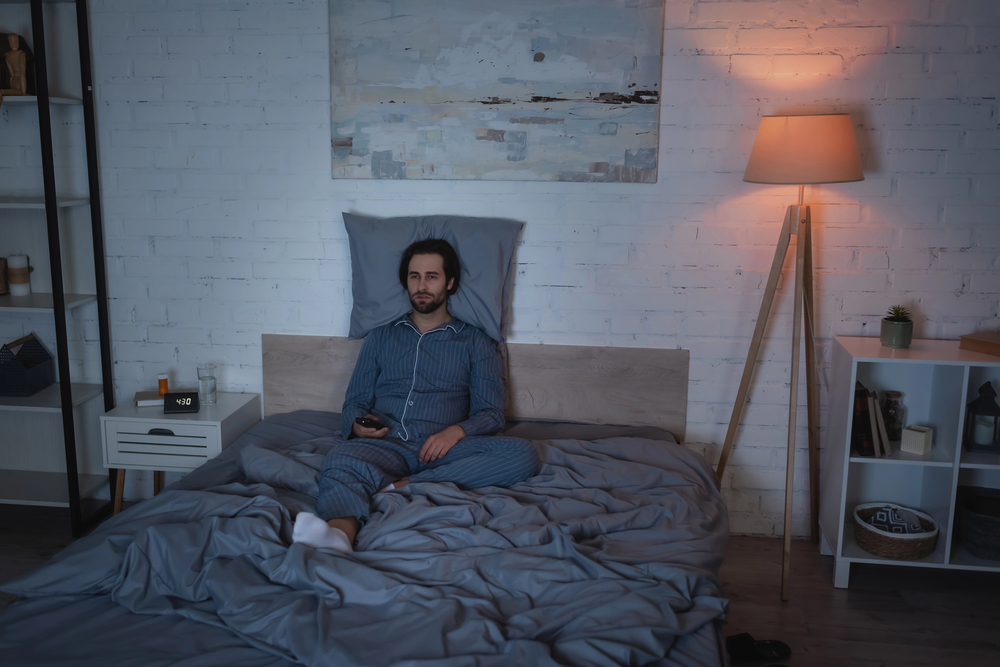 During periods of intense anxiety, certain behaviors can unintentionally reinforce symptoms, including:
While understandable, these behaviors can keep the anxiety cycle active. Learning healthier anxiety crisis coping strategies helps reduce this loop over time.
If anxiety remains intense, frequent, or disruptive despite self-help efforts, professional support is strongly recommended. Signs that it may be time to seek care include:
Outpatient mental health treatment offers structured support while allowing individuals to maintain their daily routines.
Psychotherapy is a cornerstone of treatment for anxiety disorders. Evidence-based approaches help individuals understand anxiety patterns, build coping skills, and gradually regain confidence.
Common therapeutic approaches include:
Cognitive Behavioral Therapy (CBT): Focuses on identifying and changing thought patterns that fuel anxiety
Exposure-based strategies: Help reduce avoidance and fear responses over time
Mindfulness-based techniques: Support nervous system regulation and emotional awareness
Therapy provides a safe, structured environment to address anxiety without judgment.
For some individuals, medication can be a valuable part of severe anxiety help. Psychiatric providers evaluate symptoms, history, and goals to determine whether medication may support treatment.
Medication management may help by:
Medication is often most effective when combined with therapy rather than used alone.
Research consistently shows that combining medication and therapy can lead to better outcomes for many people with severe anxiety. Therapy builds skills and insight, while medication can create the stability needed to practice those skills effectively.
Outpatient programs allow for ongoing monitoring, adjustments, and collaboration between providers.
Recovery from debilitating anxiety is not about eliminating all anxious feelings. It is about restoring flexibility, confidence, and the ability to function even when anxiety arises.
Long-term strategies often include:
With the right support, many individuals find that anxiety becomes manageable rather than overwhelming.
Delray Center for Healing provides outpatient mental health services designed to support individuals experiencing severe anxiety. Treatment is personalized, collaborative, and grounded in evidence-based care.
Services focus on:
The goal is not just symptom reduction, but improved quality of life and emotional stability.
If anxiety feels like it is controlling your life, you do not have to manage it alone. Debilitating anxiety is treatable, and early intervention often leads to better outcomes.
Reaching out for support can be the first step toward regaining balance, confidence, and a sense of control.
Learn more about outpatient anxiety treatment at Delray Center for Healing or contact our team to schedule an appointment.

Even low levels of anxiety and stress can be extremely damaging if they’re allowed to fester over weeks, months, or years. Depression, substance abuse, panic attacks, and other serious conditions can manifest as a result of unresolved stress and anxiety….

Dr. Rodriguez founded the Delray Center in 2003 and built it on a foundation of core clinical, professional, and ethical principles that are adhered to still to this day. Dr. Rodriguez founded the Delray Center in 2003 and built it on a foundation of core clinical, professional, and ethical principles that are adhered to still to this day.